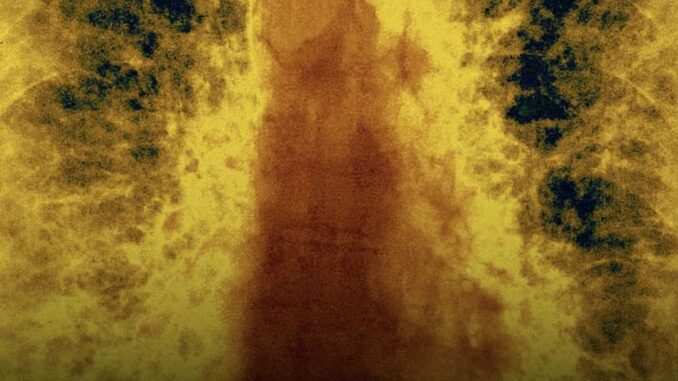
Although many people see vaping as safer than smoking, it can still cause serious — and even permanent — harm to the lungs.
Donal O’Shea, Professor of Chemistry at RCSI University of Medicine and Health Sciences, warns about a severe and irreversible condition called bronchiolitis obliterans, often known as “popcorn lung.” This illness damages the small airways in the lungs and can lead to ongoing coughing, wheezing, fatigue, and shortness of breath.
The term “popcorn lung” dates back to the early 2000s, when workers at a microwave popcorn factory developed lung problems after inhaling diacetyl, a flavoring chemical. O’Shea explains in The Conversation that flavored vapes can also contain diacetyl, which becomes a toxic inhalant when heated and breathed in.
His warning follows the case of a 17-year-old who was diagnosed with the condition after three years of vaping. According to O’Shea, there is no cure for popcorn lung. Once the lungs are damaged, treatment focuses only on managing symptoms through medications like bronchodilators or steroids, and in severe cases, lung transplants. That’s why prevention is the only real protection.
Diacetyl isn’t the only concern. E-cigarettes can also release other harmful chemicals, such as formaldehyde and acetaldehyde. Experts estimate that more than 180 flavoring agents are used in e-cigarettes, and when heated, they can break down into new compounds that haven’t all been tested for inhalation safety.
Because users inhale a mix of chemicals, it’s difficult to blame a single substance for popcorn lung. Still, exposure to so many potentially harmful compounds can damage the lungs over time.
While diacetyl is banned in vapes across the EU and UK, it remains legal in some countries, including the United States.