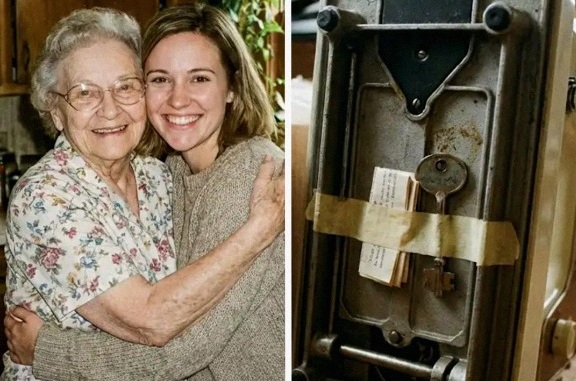
After my grandmother died, I was stunned to learn she left her house to Margaret, the neighbor, and gave me only her sewing machine.
At the lawyer’s office, Margaret arrived early, calm and polished. The will stated the house went to her under a “care agreement” Rose had signed years earlier. I felt betrayed — I had been the one visiting every weekend, handling bills, and keeping Grandma comfortable. Margaret smiled gently and said, “Sometimes the person who shows up daily matters more than the one who drops in on weekends.”
Back at the empty house, I packed the sewing machine and discovered a key taped underneath, along with a note in Grandma Rose’s handwriting:
“Don’t challenge Margaret until you go to this address. Bring a clear heart, not anger. You deserve the whole truth.”
The address led me to a small house in the next town. Inside, Helen, Grandma’s caregiver, explained everything: Margaret had signed a conditional agreement to manage Grandma’s care and expenses in exchange for the house. Rose had left it this way to protect me from obligation.
Armed with the folder of documents, I confronted Margaret. Under pressure, she admitted she hadn’t fully met the conditions. Two days later, the lawyer confirmed Margaret had failed the agreement — the house reverted to me.
Sitting in front of Grandma’s sewing machine, I felt her presence. “Nothing is ruined, my girl,” I whispered, remembering her words. I threaded the needle and began stitching — a reminder that love, care, and patience stitch life back together, even after betrayal.