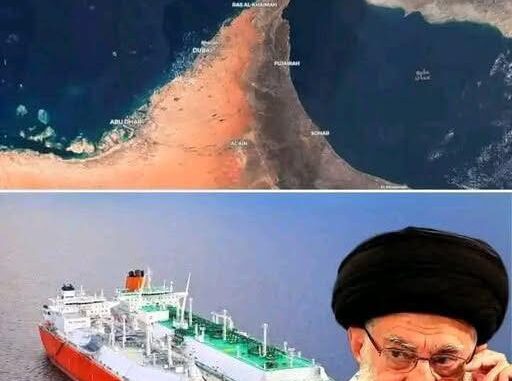
Recent reports say the Iranian Parliament approved a measure related to the possible closure of the Strait of Hormuz, a crucial shipping route for global oil and gas. Although the decision still requires further government steps and does not mean the strait will close immediately, the announcement has already raised concern across energy markets, shipping industries, and diplomatic circles.
The strait is one of the world’s most important maritime corridors, carrying a large share of global oil and LNG exports. Even the possibility of disruption creates uncertainty, causing oil prices, shipping insurance, and freight costs to rise. For consumers, this could lead to higher fuel prices and increased costs for everyday goods.
The situation also raises legal and strategic issues. International rules such as the United Nations Convention on the Law of the Sea protect freedom of navigation through international straits, so any restriction could trigger strong diplomatic or military responses. Past regional tensions have shown that maintaining open shipping lanes often involves coordinated international naval presence.
The development highlights the vulnerability of global energy supply chains and the importance of diversifying energy sources and trade routes. At the same time, many governments are reportedly working behind the scenes through diplomacy to prevent escalation.
Experts stress that the parliamentary vote may be strategic signaling rather than an immediate plan to close the waterway. Still, it demonstrates how decisions in one region can quickly affect global markets, energy security, and economic stability worldwide.