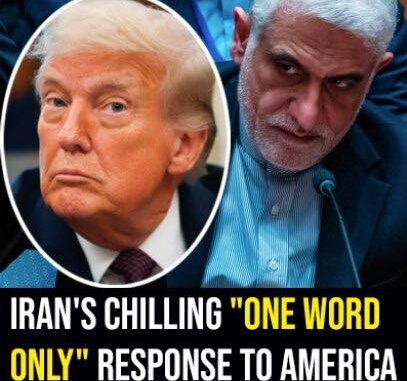
The Middle East is on the brink of major war. After stalled diplomacy and failed nuclear talks, U.S. and Israeli strikes on key targets in Tehran broke long-standing taboos by hitting Iran’s capital directly, crossing what Iran calls its “ultimate red line.”
Iran quickly retaliated. The IRGC launched waves of ballistic missiles and suicide drones targeting Israeli cities and U.S. bases across the region, calling it the most devastating operation in its history and signaling full military mobilization.
At the UN Security Council, diplomacy is collapsing. Iran calls the strikes a crime against humanity and claims self-defense, while the U.S. says the attacks were necessary to stop imminent threats and a secret nuclear program. The UN Secretary-General warns the world is “at the brink.”
The conflict is spreading beyond missiles. Drone swarms, cyberattacks, and strikes on military bases are escalating rapidly, while advanced defenses struggle to keep up. Civilians across the region fear a full regional war involving nuclear-armed powers.
Global tensions are rising as well. Allies are divided, energy markets are volatile, and threats to the Strait of Hormuz could disrupt global oil supplies and trigger economic crisis.
Civilian casualties are beginning to emerge, with both sides accusing each other of war crimes. As retaliation intensifies, chances for diplomacy shrink, leaving the world facing the risk of a much larger war.