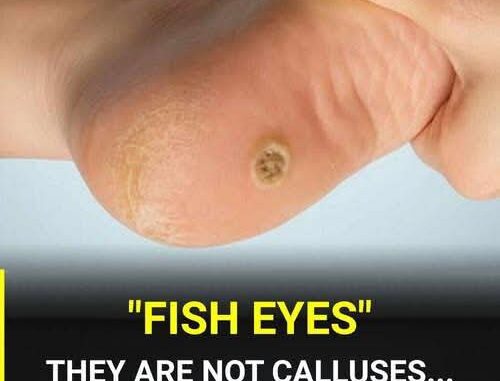
Most people assume a hard patch on the foot is a callus, since calluses commonly form from friction or long hours standing. However, it could also be a plantar wart—a viral infection caused by certain strains of HPV. Unlike calluses, plantar warts can spread and become painful, so telling the difference is important.
Why they’re confused
Calluses are the body’s natural protection against pressure or rubbing. The skin thickens and hardens but is harmless and usually improves with simple exfoliation.
Plantar warts, however, occur when HPV enters the skin through tiny cuts. The virus causes abnormal growth and can spread to other parts of the foot or to other people. Because walking pushes them inward, they often hide under thick skin and look like calluses.
Key differences
Appearance
-
Plantar warts: rough surface with tiny black dots (clotted blood vessels) and often disrupt the natural skin lines.
-
Calluses: smooth, evenly thickened skin without black dots.
Pain
-
Calluses: hurt when pressed directly.
-
Plantar warts: hurt more when pinched from the sides.
Causes
-
Calluses: repeated pressure or friction from shoes or standing. Not contagious.
-
Plantar warts: HPV infection, often picked up in warm, damp places like locker rooms, public showers, or pools.
Treatment
Filing a wart like a callus won’t remove the virus and may spread it. Common treatments include:
-
Salicylic acid
-
Cryotherapy (freezing with liquid nitrogen)
-
Medical treatments that stimulate the immune system
Some warts disappear on their own, but treatment helps if they are painful or spreading.
Prevention
-
Keep feet clean and dry
-
Wear flip-flops in public showers or locker rooms
-
Don’t share towels, socks, or shoes
-
Avoid picking or scratching warts
Conclusion
Calluses are simply the skin’s response to friction, while plantar warts are viral infections that may require treatment. If a spot on your foot doesn’t improve with basic care, has black dots, or hurts when pinched, it’s best to see a healthcare professional.