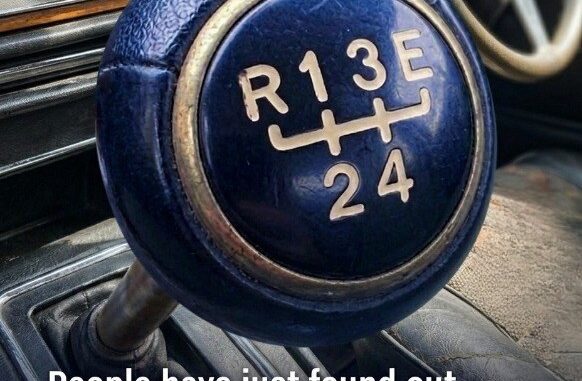
Modern cars are clean and digital, but older vehicles had more physical controls—including a gear marked “E.” In the 1980s and early 1990s, “E” stood for “Economy,” letting drivers manually reduce fuel use by shifting earlier and keeping engine speeds low.
This mode encouraged smoother, slower driving and helped save gas during a time of fuel concerns. It gave drivers direct control over efficiency.
Today, the “E” has mostly disappeared because modern cars automatically optimize fuel use with advanced computers and systems. Efficiency is now built into the vehicle itself, requiring little driver input.
Interestingly, “E” has returned in electric cars, where it often stands for “Electric” or energy-saving features like regenerative braking.
Overall, the old “E” reflects a shift from manual control to smart automation—while the goal of saving energy remains the same.