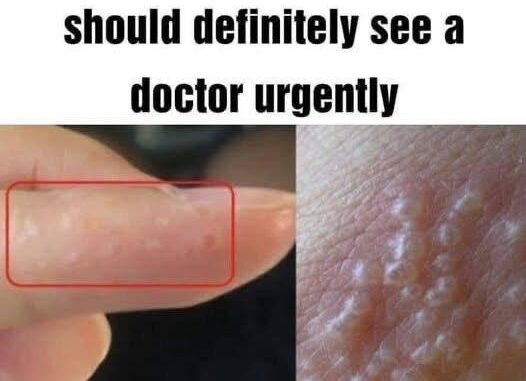
Dyshidrotic Eczema: A Springtime Skin Challenge
Dyshidrotic eczema, or pompholyx, is a recurring skin condition that often flares in spring. It causes small, itchy blisters on hands and feet, sometimes leading to peeling, cracking, or painful sores. While manageable, it has no cure and requires ongoing care.
About Eczema
Eczema refers to inflammatory skin conditions, the most common being atopic dermatitis. Symptoms include redness, itching, swelling, dry skin, and fluid-filled bumps. Triggers range from allergens and irritants to stress and weather changes.
Dyshidrotic Eczema Specifics
- Cheiropompholyx: hands
- Podopompholyx: feet
- Cheiropodopompholyx: both
Adults 20–40 are most affected, especially those with allergies, asthma, or family history of eczema.
Triggers
- Seasonal changes (spring)
- Moisture or sweating
- Contact with irritants (nickel, cleaners)
- Stress or infections
- Certain foods or environmental factors
Treatment & Management
- Topical corticosteroids
- Cold compresses
- Moisturizers and barrier creams
- Antihistamines
- Phototherapy in chronic cases
- Antibiotics/antifungals for infections
Avoid popping blisters, keep skin dry, and limit irritant exposure.
Living With It
Managing dyshidrotic eczema involves identifying triggers, following a skincare routine, and seeking support from dermatologists or specialists. With awareness and care, flare-ups can be minimized, and daily life improved.