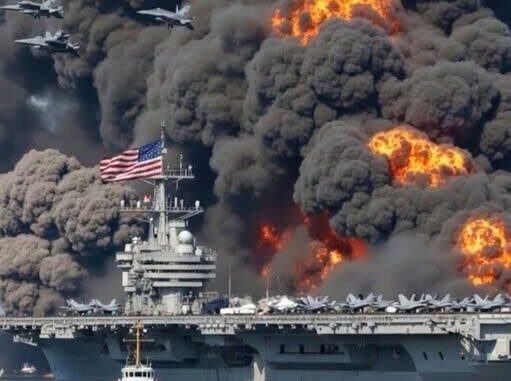
There is currently no confirmed evidence from official sources that a military vessel has been attacked. Authorities like NATO and global bodies such as World Health Organization and UNESCO stress that only verified, authoritative information should be trusted.
Misinformation spreads quickly during uncertain events, especially in breaking news. Studies from Pew Research Center show that high public interest, limited early data, and social media amplification often turn unverified claims into widely believed stories.
Military news requires strict verification. Governments carefully confirm details before releasing information to avoid panic or conflict escalation. Without such confirmation, claims should be treated with skepticism.
Jumping to conclusions can cause serious harm—raising tensions, spreading fear, and damaging trust. Organizations like United Nations warn that misinformation can even impact global stability.
Experts rely on verified data, and without it, accurate analysis isn’t possible. This highlights the importance of patience—early reports are often incomplete or wrong.
Overall message: Until credible sources confirm the event, the claims remain unverified. Responsible information sharing—based on accuracy, patience, and critical thinking—is essential in today’s fast-moving digital world.