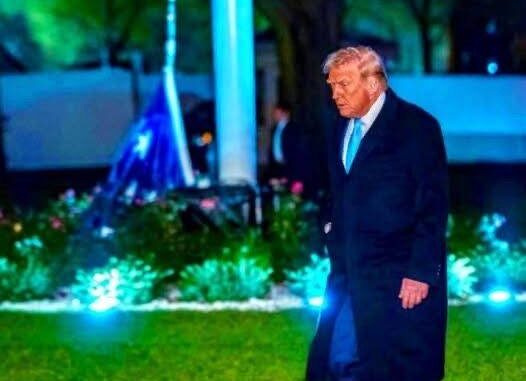
The recent indictment of a former president has undoubtedly sent shockwaves through the political world. The charges—ranging from conspiracy to defraud the United States to attempting to obstruct an official proceeding—are not just serious, they are a direct challenge to the actions that took place after the 2020 election.
At the heart of the charges is the claim that the former president, despite knowing that the election fraud allegations were baseless, continued to spread those false claims, which prosecutors argue was an intentional effort to overturn the election results. The indictment also details attempts to disrupt the certification of the electoral vote, which culminated in the January 6 Capitol riot. The case paints a picture of an orchestrated plan involving everything from pressuring state officials to assembling fake electors—all aimed at upending the democratic process.
As expected, the political implications are immense. While the defense may argue that the former president sincerely believed the election was stolen, the prosecution’s case hinges on proving intent: that he knowingly spread lies and worked to subvert the election outcome for personal or political gain. Given the polarized political climate, the trial will likely be fraught with intense debate, not just about legal culpability, but about the future of democracy and accountability for those in power.
This case isn’t just about legal charges; it represents a test of the justice system’s ability to handle a politically charged, unprecedented situation. How this unfolds will shape the nation’s view of justice and its commitment to upholding the rule of law—regardless of one’s political standing. What are your thoughts on how this will play out?