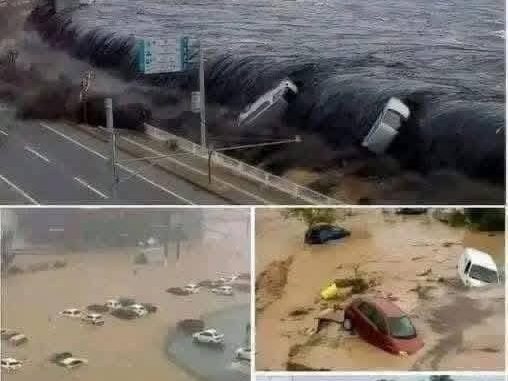
A powerful 8.2 magnitude earthquake struck the Alaskan Peninsula late Wednesday, triggering immediate concern across the Pacific. Centered near Perryville at a depth of about 35 km, the quake prompted rapid emergency responses.
Tsunami warnings were quickly issued, sirens sounded in coastal areas like Kodiak, and residents followed safety protocols. The U.S. National Tsunami Warning Center alerted parts of southern Alaska, while monitoring extended to regions like Hawaii and Guam—though both were later declared safe.
Alaska’s emergency operations were activated, and international agencies, including those in Japan and New Zealand, began assessments, highlighting the global impact such events can have.
Several strong aftershocks followed, including some above magnitude 6.0, keeping communities on alert. While no major damage or casualties were initially reported, officials emphasized ongoing evaluations, especially in remote areas.
The event underscores the importance of preparedness in earthquake-prone regions like Alaska. Early warning systems and coordinated responses helped prevent panic and ensured safety.
Though conditions have stabilized and warnings have been adjusted, monitoring continues.
The earthquake serves as a reminder that while the shaking may stop, its impact—and the need for vigilance—remains.