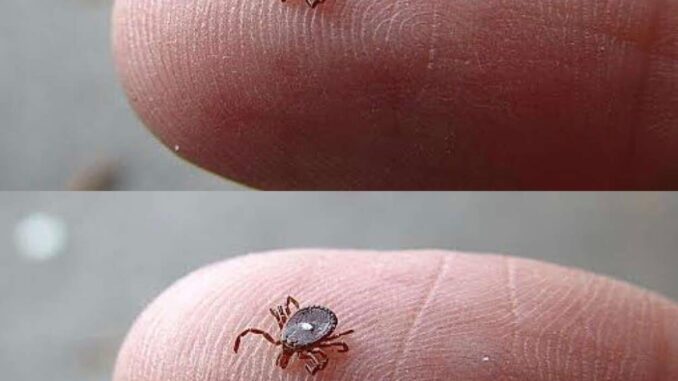
Finding a Lone Star tick is rarely calm—it starts with that chilling moment when you notice something on your skin that shouldn’t be there. When I found one, my hands shook as I carefully removed it with tweezers, making sure not to leave anything behind and risk infection.
Afterward, I disinfected the bite, sealed the tick in a bag, and noted the details. That night, every itch felt like another bite, every ache like something worse. In the following days, I constantly checked for symptoms like rashes or fever, and even searched my dog for ticks.
The experience changed how we live outdoors. We now wear long clothing, use repellent, and keep our yard trimmed to reduce tick habitats.
What makes the Lone Star tick especially concerning is its link to Alpha-gal syndrome, a condition that can cause a lasting allergy to red meat. That possibility is frightening—but over time, fear turned into awareness.
We still enjoy the outdoors, just more carefully. The worry never fully disappears, but it keeps us prepared, alert, and protected.