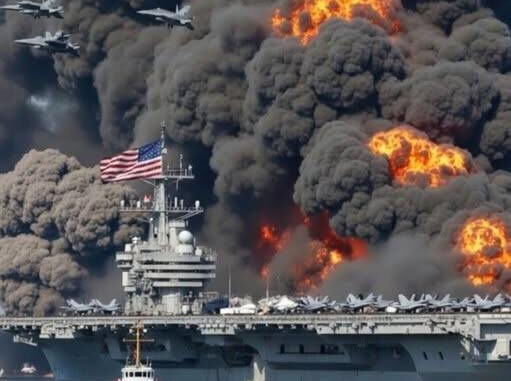
In today’s fast-moving digital world, misinformation spreads quickly—especially during major events. Recent viral claims about a military attack lack any confirmation from official sources like NATO or the United Nations, making them unreliable.
Rumors grow because people seek answers when facts are missing, and social media algorithms amplify dramatic, unverified content. Trusted research groups like Pew Research Center show how easily speculation becomes “truth” online.
In reality, military news goes through strict verification before release to avoid dangerous misunderstandings. Spreading false claims can increase global tension and panic.
The key takeaway: wait for confirmed information from credible sources. In an age of instant news, skepticism and patience are essential to avoid being misled.