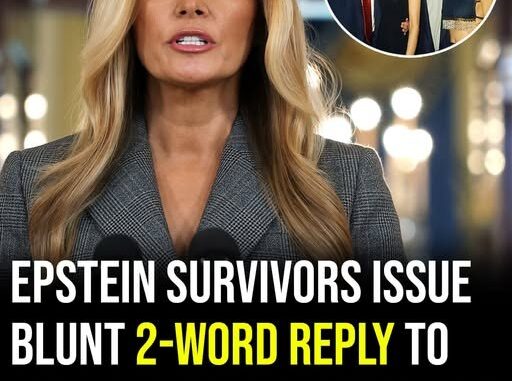
Melania Trump has sparked backlash after issuing a public statement addressing long-running rumors about her alleged links to Jeffrey Epstein and Ghislaine Maxwell. She firmly denied any meaningful connection, saying any interactions were brief and incidental at large social events, and criticized ongoing speculation as misrepresentation.
She then escalated the situation by calling for formal public hearings where Epstein survivors could testify in an official, public setting to establish a clear record of events. This proposal was quickly criticized by survivor groups, who argued that they have already given extensive testimony in court and to investigators, and that being asked to speak again publicly would force them to relive trauma for political purposes.
Critics also pointed out that much of the existing evidence has already been documented through records and prior testimony, arguing that the issue is not lack of information but lack of accountability. Others questioned her silence on broader associations within the Epstein social circle, which further intensified public scrutiny.
The backlash has deepened an ongoing divide: some support renewed public hearings for full transparency, while others believe justice should focus on existing evidence and avoid further retraumatizing survivors. The controversy has ultimately shifted attention back onto unresolved questions surrounding the Epstein case and the broader issue of accountability for those connected to it.