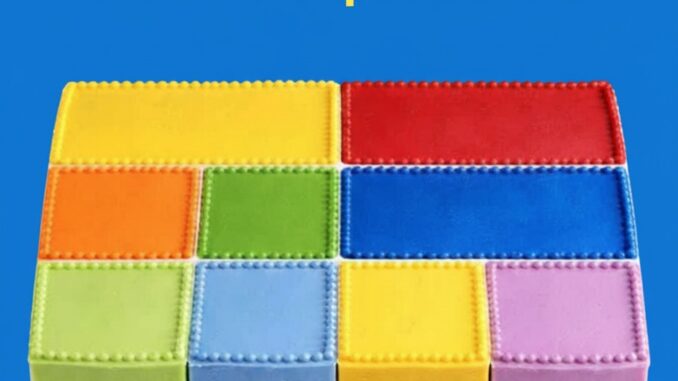
At first, “count the squares” puzzles seem simple—but a closer look reveals hidden, overlapping, and implied shapes that make them more complex. The challenge isn’t just counting; it’s how we see. Obvious squares are easy, but others require careful observation or even imagining depth, which can lead to different answers.
These puzzles highlight how perception works—shaped by focus, assumptions, and experience. They also reveal human tendencies like rushing to conclusions or defending one “correct” answer.
In the end, the real value isn’t the number—it’s learning to think patiently, stay open to multiple perspectives, and approach complexity with clarity.