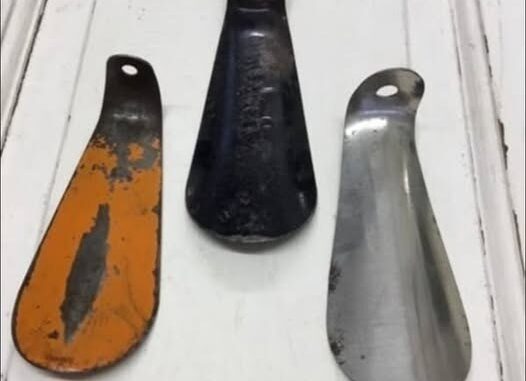
In a world of fast-moving technology, one simple invention has barely changed for over 500 years: the shoehorn.
It began in the 15th century, when shoes were stiff, expensive, and difficult to put on without damaging their shape. Early shoenhorns were made from animal horn because their natural curve helped guide the heel into the shoe smoothly while protecting the shoe’s structure. Over time, they evolved into metal, bone, wood, and later mass-produced plastic tools.
By the Victorian era, shoehorns also became decorative status items, made from silver or ivory and kept alongside grooming accessories. Today, they’re no longer luxury objects but everyday tools found worldwide.
Their real value is still practical: they protect footwear from damage, extend the life of expensive shoes, and make wearing them easier—especially for older adults or people with limited mobility. Long-handled versions even allow users to put on shoes without bending, preserving independence.
Despite their simplicity, shoehorns remain essential. Their unchanged design is proof that some inventions are already close to perfect—quiet, practical solutions that continue to serve the same purpose centuries later.