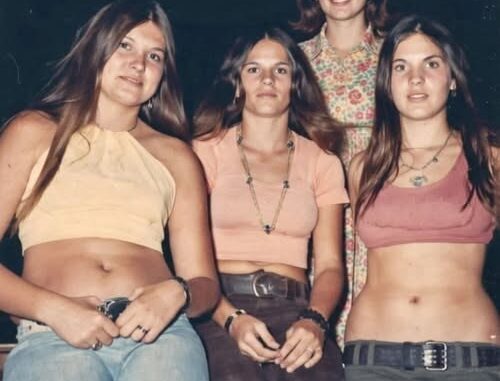
Over the past century, fashion has evolved from strict dress codes and formal clothing to comfort, individuality, and self-expression. What people wear today would have seemed shocking in the early 1900s.
Back then, fashion was highly formal. Women wore corsets, layered gowns, and long skirts, while men were expected to appear in suits, hats, and polished shoes. Clothing reflected status, tradition, and social rules.
Major world events transformed style. During World War I, women entered the workforce, making practical and comfortable clothing more necessary. In the 1920s, shorter dresses and looser silhouettes symbolized freedom and independence.
The 1930s and 1940s brought wartime rationing and simpler designs, followed by a return to glamour after World War II with fuller skirts and elegant tailoring. Fashion became closely tied to celebrities and luxury designers.
By the 1960s and 1970s, youth culture heavily influenced trends. Miniskirts, bold colors, punk styles, disco fashion, and synthetic fabrics changed mainstream clothing forever.
The 1990s and early 2000s introduced streetwear, oversized fits, sneakers, and fast fashion, making trends cheaper and more accessible — but also raising concerns about waste and environmental impact.
Today, fashion is more inclusive and flexible than ever. Comfort dominates, gender-neutral styles are growing, and sustainability has become a major focus. Clothing now reflects identity, creativity, and personal choice more than strict social expectations.