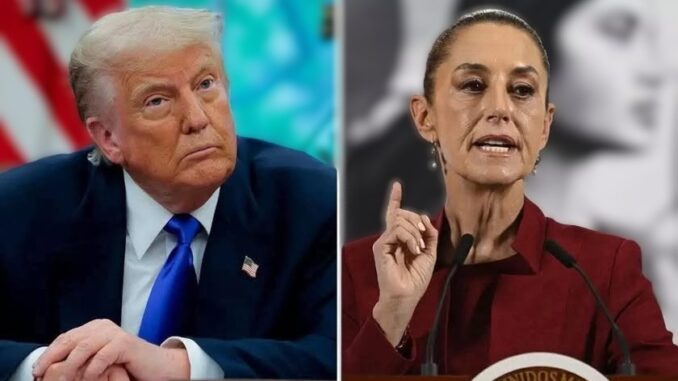
The world woke up to a moment that could reshape the Middle East. After Donald Trump announced that three Iranian nuclear sites had been “successfully” bombed, global leaders were thrust into a rapidly escalating crisis. Supporters praised the strikes as a decisive move against a long-standing threat, while critics warned they could trigger a dangerous new conflict.
Iran responded swiftly. Foreign Minister Abbas Araghchi declared that the country “reserves all options,” signaling that retaliation remains on the table. The statement intensified fears that the confrontation could spiral beyond the control of either side.
Across Europe, leaders scrambled to balance concern with diplomacy. While some acknowledged worries over Iran’s nuclear ambitions, many urged restraint and called on both nations to avoid further escalation. The fear is simple: one miscalculation could ignite a wider regional war with global consequences.
Meanwhile, reactions elsewhere revealed deep divisions. In Israel and among some U.S. officials, the strikes were celebrated as a necessary step to weaken a perceived existential threat. At the United Nations, however, critics condemned the action in stark terms, warning of “lawless” behavior and potentially “everlasting consequences.”
Now the world waits. Diplomats race to prevent further escalation while military forces remain on alert. Whether these strikes are ultimately remembered as the moment a larger conflict was prevented—or the spark that ignited one—remains uncertain. For now, tension, uncertainty, and fear dominate the global stage.