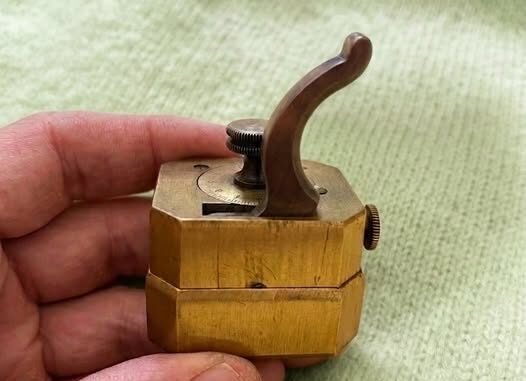
After some research, I finally discovered the truth: it was an antique medical scarificator, a device once used for bloodletting.
The instrument contained a spring-loaded mechanism that released several small blades at once, creating shallow cuts in the skin. Doctors used these cuts to draw blood, believing it could cure illnesses by restoring the body’s “humoral balance.”
For centuries, bloodletting was considered a legitimate medical treatment for everything from fevers and headaches to infections and even emotional disorders. Physicians genuinely believed they were helping patients based on the scientific understanding of their era.
What makes the scarificator so fascinating today is the contrast it represents. The craftsmanship is remarkably advanced—precise, efficient, and carefully engineered—yet the treatment itself was often ineffective or harmful.
Holding it now feels unsettling. It’s both a clever invention and a reminder of how limited medical knowledge once was. To the people of that time, however, this device symbolized hope and healing.
Today, the scarificator survives not as a medical tool, but as a historical artifact—a reminder that science evolves through questioning old beliefs and learning from mistakes.