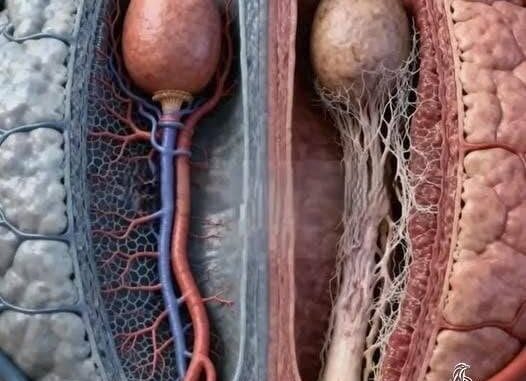
Kidney disease often develops silently, with few or no symptoms until significant damage has already occurred. The kidneys are essential for filtering waste, balancing fluids and minerals, regulating blood pressure, and supporting red blood cell production. When kidney function declines, it can affect the entire body, including heart health and energy levels. (CDC)
Common risk factors include high blood pressure, diabetes, smoking, dehydration, unhealthy diet, obesity, and long-term overuse of certain pain medications. Because early kidney disease usually has no warning signs, many people don’t realize they are at risk until the condition becomes advanced. (CDC)
The good news is that prevention can make a major difference. Staying hydrated, eating balanced meals, reducing salt and processed foods, staying physically active, avoiding smoking, and monitoring blood pressure and blood sugar all help protect kidney health. Using medications responsibly and getting regular checkups are also important for early detection and long-term wellness. (CDC)