For many families, especially during the Great Depression and the years that followed, wasting anything was simply not an option. Our parents and grandparents reused, repaired, and repurposed everyday items until they were completely worn out.
Some of the most commonly saved items included:
- Jars and Containers – Used for storage, organization, and countless household tasks.
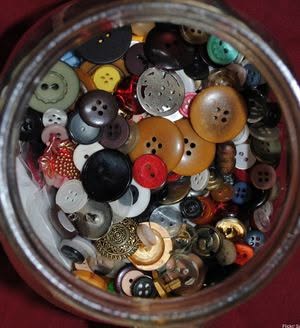
- Buttons – Kept in jars and reused to repair clothing.
- Fabric Scraps – Turned into quilts, rugs, patches, doll clothes, and cleaning rags.
- Aluminum Foil – Washed and reused for food storage and cleaning.
- Newspapers – Used for kindling, wrapping, crafts, insulation, and more.
- Food Scraps – Made into stock, compost, animal feed, or used to grow new vegetables.
- Soap Scraps – Saved for laundry, baths, or combined into new bars.
- Seeds and Plant Cuttings – Saved to grow food and reduce grocery costs.
- Worn-Out Clothes and Socks – Repaired, patched, and darned instead of discarded.
- Bacon Grease – Saved for cooking and, during wartime, even collected for industrial use.
For many families, these habits meant the difference between getting by and going without. Their resourcefulness taught valuable lessons about saving money, reducing waste, and making the most of what you have.