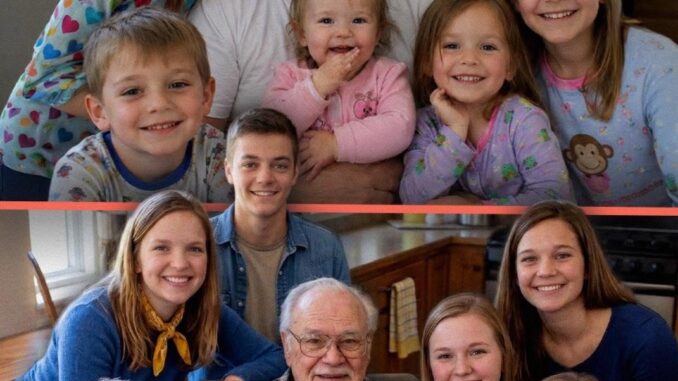
At my grandfather’s funeral, I believed I was saying goodbye to the man who had saved my family after a devastating house fire that killed my parents when I was 11. He raised me and my five siblings with patience, sacrifice, and unconditional care, and I always saw him as a hero—until a stranger slipped me a note that suggested everything I knew about my parents’ death might be a lie.
Standing in the chapel beside his casket, I was overwhelmed by memories of how he had carried us through poverty, grief, and confusion after the tragedy. But as mourners left and I stood alone, an unfamiliar elderly woman approached and quietly pressed a folded note into my hand, warning me to read it in secret if I wanted the truth.
The message hinted that my grandfather had been present at the summer house on the day of the fire and directed me to hidden documents in a basement he had always forbidden us to enter. When I followed the clues, I discovered files, photos, and a written confession that revealed he had been involved in the events surrounding the fire and had spent his life carrying the burden of that truth.
As I dug deeper, I learned from a neighbor that he had been seen at the scene of the blaze, and that he had quietly dedicated his life afterward to raising us and securing our financial future, even at great personal cost. The version of him I grew up worshipping—the perfect guardian—was replaced by a far more complicated reality: a man driven by guilt, secrecy, and sacrifice.
In the end, I shared the truth with my siblings and visited his grave with a new understanding. He was not simply a hero or a villain, but a deeply human figure who built our lives on hidden pain and difficult choices, spending his remaining years trying to protect us from the full weight of what really happened.