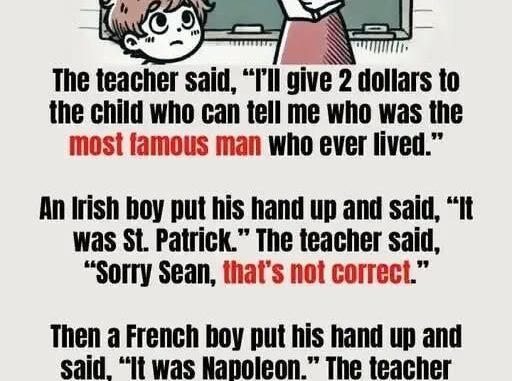
The story of a boy choosing a two-dollar bill over a religious icon is more than a joke—it reflects how easily people trade belief for immediate reward. It shows that even sacred values can shift when something tangible is offered, revealing a quiet truth about human behavior: we constantly weigh meaning against opportunity.
This idea extends into adult life. In one example, a rejected suitor reframes lost love as a missed financial gain, turning emotion into economics. In another, a man hesitates to pay for a “magic desk,” not because he doubts magic, but because he questions the price—placing limits on wonder itself. These moments show how quickly imagination gives way to calculation.
Together, these stories expose a deeper pattern: we often treat life as a series of transactions. Love, faith, relationships, and even identity become things we evaluate in terms of cost and benefit. The humor in these tales hides an uncomfortable insight—people rarely abandon values outright, but they frequently adjust them when incentives change.
Ultimately, they suggest that what we call “principles” may sometimes just be flexible prices we haven’t been tested on yet.