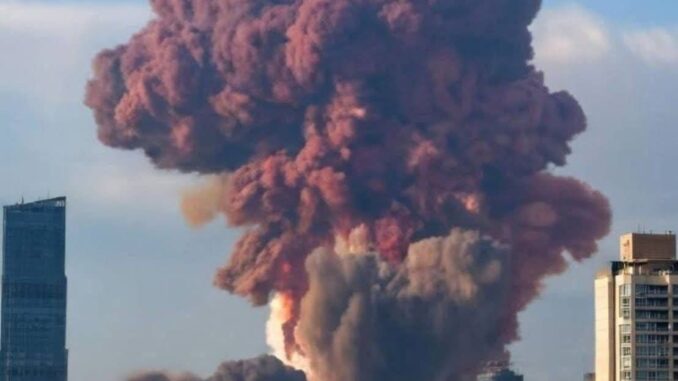
The article describes a major escalation in a fictionalized or reported Middle East conflict in which Israel and the United States launch a large-scale military operation against Iran, aimed at stopping its nuclear program and weakening its leadership.
The campaign begins with coordinated air and missile strikes across Iran, targeting nuclear sites, military infrastructure, energy facilities, and government leadership. The most significant event is the reported killing of Iran’s Supreme Leader, which triggers shock, instability, and further escalation.
Iran responds with missile attacks on Israel and regional targets, leading to civilian casualties and widespread destruction on both sides. Energy infrastructure strikes disrupt global oil markets, while hospitals, cities, and civilian areas are also affected.
The conflict quickly expands beyond a bilateral war, involving regional actors, proxy forces, and global powers. The United States supports Israel militarily and politically, while other countries call for restraint and attempt mediation.
As the fighting continues, both sides suffer heavy losses, diplomatic efforts struggle to hold, and the region becomes increasingly unstable. The outcome remains unresolved, with the conflict reshaping the Middle East’s political and security landscape.