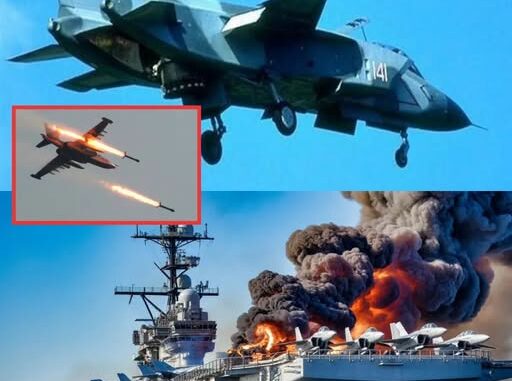
Social media has been flooded with alarming claims that a full-scale war between the United States and Iran has begun, including rumors that an American F-35 fighter jet was shot down by Iranian forces. The reports spread rapidly online, causing fear of a wider global conflict. However, many viral videos and images linked to a downed F-35 have been identified as AI-generated or unrelated footage, and some claims remain disputed or unverified.
In today’s digital age, the line between real events and online misinformation is increasingly blurred. While tensions between Washington and Tehran have been a long-running reality, dramatic claims can quickly spread without confirmation. A genuine event of this scale would normally be accompanied by official military statements, international diplomatic responses, and widespread verified media coverage.
The F-35 is one of the world’s most advanced combat aircraft, and any confirmed loss in combat would be a major global story. The spread of unverified reports demonstrates how misinformation can exploit fear and uncertainty during times of geopolitical crisis. Even when tensions are high, the most responsible approach is to wait for confirmed information from reliable news organizations and official sources rather than relying on viral social media posts.
The broader lesson is one of digital literacy: a single post can create panic before facts emerge. In modern conflicts, the battle over information often begins before the truth is fully known.