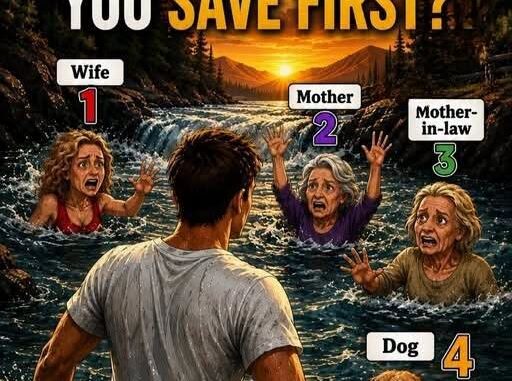
Choosing a decision is a way of shaping your future and the version of yourself you become. Big life changes—like moving cities or deciding on parenthood—push your personal story forward by turning possibilities into reality.
But research shows humans are often poor decision-makers. We limit our options, miss key goals, and misjudge probabilities. As psychologist Katherine Fox-Glassman notes, people struggle to understand and use probability correctly because our minds aren’t naturally built for it.
Decision-making can also become overcomplicated: more information can lead to overthinking instead of clarity. In the end, good decisions require balance and action—because if you don’t choose, something or someone else will choose for you.
We make thousands of decisions daily, especially in relationships and social situations, where understanding others’ feelings matters. These choices mix logic and emotion, often driven by intuition or conscious reasoning.
There’s no single “right” way to decide. It depends on the goal: practical decisions may benefit from pros-and-cons lists, social ones from values or rules, and emotional ones from instinct.
Many important choices combine all three, and conflicting goals can make decisions difficult. Still, avoiding choice increases regret. Even if imperfect, making a decision helps you learn and improve future ones.