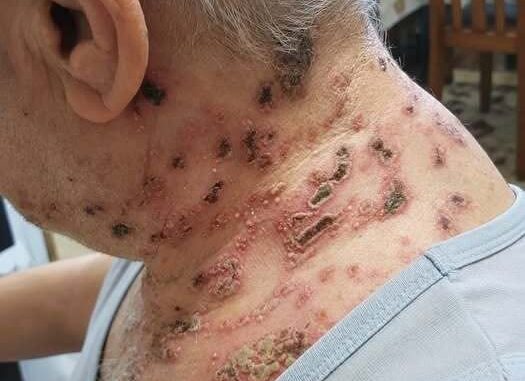
Shingles develops when the varicella-zoster virus, which causes chickenpox, reactivates in nerve tissue. It often causes localized pain, itching, or sensitivity before a blistering rash appears, usually on one side of the body or face. For some people, discomfort disrupts sleep and daily routines; others experience milder symptoms. Occasionally, nerve pain persists after the skin heals, a complication called postherpetic neuralgia. Risk increases with age and weakened immunity, but many people recover without lasting problems.
If you suspect shingles, contact a healthcare professional promptly rather than relying on online photographs. Antiviral treatment works best when started early, generally within 72 hours of rash onset, although later treatment may still help. Pain or a rash near the eye requires urgent assessment because vision can be affected. Vaccination can substantially reduce shingles and its complications in eligible people. Ask your clinician about local recommendations: informed action offers more protection than fear or guesswork.