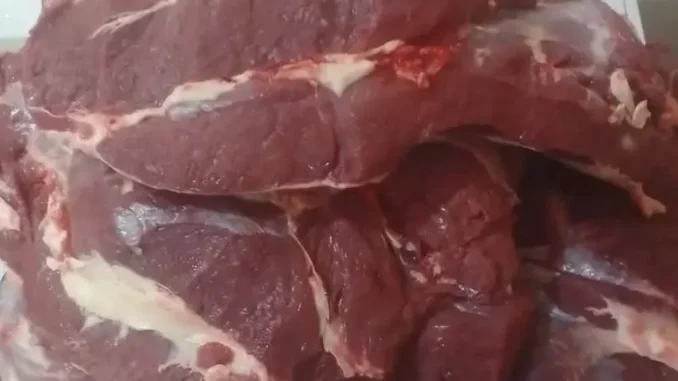
That stunning red steak might be giving you a misleading sense of assurance. At the meat counter, a split-second decision can determine what you present to your family, yet the color that catches your attention may indicate less than you realize. Before you rely on another shiny package, learn why darker beef can be entirely normal and why looks alone cannot convey the complete story… Continues…
The appearance of beef starts with myoglobin, a muscle protein that alters color based on oxygen exposure and its chemical state. Inside vacuum packaging, beef typically appears purple or burgundy; when exposed to air, its surface can turn cherry red through a process known as blooming. Browning can also happen naturally. As the USDA clarifies, changes in color alone do not indicate spoilage. These variations are a result of chemistry and packaging, not necessarily a sign of superior quality—or misconduct by retailers.
For families mindful of their grocery expenses, that distinction can help avoid unnecessary waste without compromising safety. Inspect packaging integrity, adhere to storage guidelines, and refrigerate meat promptly at 40°F or lower. An unpleasant smell or slimy texture serves as a warning to dispose of it, but harmful bacteria may not cause any noticeable sensory changes. Never taste meat to assess its safety. Handle it with care and cook it to the recommended internal temperature, utilizing a food thermometer. Confidence should be rooted in safe practices, not merely an appealing presentation.