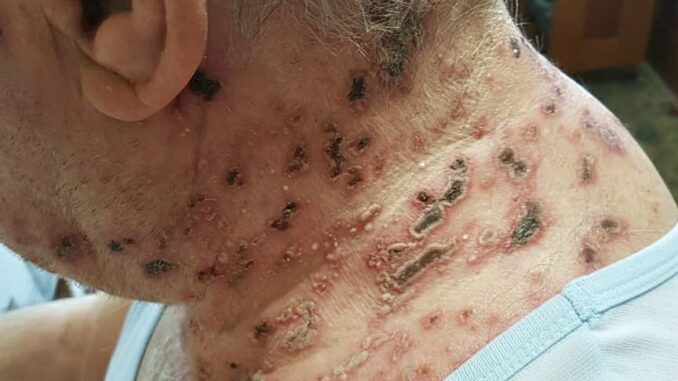
This Is the Hidden Illness That Can Be Triggered By Certain Substances
Numerous health issues can arise without clear warning signs, making early detection challenging. Among these are allergic reactions and other immune-related disorders that may be triggered when individuals encounter specific substances in their surroundings.
From everyday cleaning agents and cosmetics to pollen, dust, and various metals, routine exposures can occasionally lead to unforeseen symptoms. While some reactions may be mild, others could necessitate immediate medical care.
What Is a Hidden Illness?
The phrase “hidden illness” typically refers to a condition that develops without apparent symptoms or manifests signs that are easily overlooked. However, it is not a specific medical diagnosis, and various diseases can exhibit vastly different behaviors.
One instance is contact dermatitis, a skin issue that arises when the skin responds to an irritating substance or allergen. It can occur after exposure to items that people use daily, such as soaps, detergents, fragrances, and certain cosmetic components.
What Can Trigger This Condition?
Contact dermatitis is generally categorized into two primary types: irritant contact dermatitis and allergic contact dermatitis.
Irritant contact dermatitis occurs when a substance directly harms or irritates the skin. Frequent hand washing, extended contact with water, detergents, and potent cleaning agents can lead to this issue.
Allergic contact dermatitis arises when the immune system reacts to a substance to which the individual has become sensitized. Common triggers include nickel in jewelry, fragrances, preservatives in personal-care items, and certain chemicals.
Symptoms may manifest immediately or develop hours to days following exposure, depending on the trigger.
Warning Signs You Should Not Overlook
The symptoms of contact dermatitis can differ among individuals. Common indicators include:
Redness or irritation of the skin.
Itching or a burning sensation.
Dry, cracked, or flaky skin.
Swelling in the affected region.
Small blisters in more severe instances.
These signs may occur on the hands, face, arms, or other areas that have been in contact with the triggering substance.
Since various skin conditions can exhibit similar symptoms, persistent or recurring irritation should be evaluated by a healthcare professional. Allergy patch testing may assist in identifying the cause if allergic contact dermatitis is suspected.
How Can You Minimize the Risk?
Avoiding the offending substance is typically the most crucial step. Reading product labels, wearing appropriate protective gloves when using cleaning agents, and opting for fragrance-free skincare products can help reduce exposure in certain situations.
If a reaction occurs, gently cleansing the affected skin with lukewarm water and avoiding further contact with the suspected trigger may be beneficial. A pharmacist or healthcare provider can offer guidance on whether further treatment is necessary.
Severe swelling of the lips or tongue, trouble breathing, or sudden faintness may signify a serious allergic reaction and necessitate emergency medical attention.
Why Early Detection Is Important
A seemingly minor rash or recurring irritation may indicate that the skin is responding to something in its environment. Early identification of the trigger can help prevent repeated exposure and lessen the chances of ongoing symptoms.
However, not every condition labeled as a “hidden illness” online is an allergy, and contact with a specific substance does not guarantee that an individual will develop an illness.
The essential message is straightforward: be aware of recurring symptoms, avoid suspected irritants whenever possible, and seek medical advice if symptoms persist or worsen.
Health note: The original headline does not specify a particular illness or trigger. This article uses contact dermatitis as an illustrative example and should not be understood as confirmation that it is the condition referenced by the original headline.