I spent more time growing up in Grandma Jen’s cottage than in my own house. While my parents worked long hours chasing status, Grandma’s creaky porch, lavender-scented doilies, and groaning floorboards felt like home.
She braided my hair before school, hummed softly, read me only the funny parts of the newspaper, and made simple, comforting meals — buttered potatoes, green beans, scrambled eggs and sausages. Every night she offered me walnuts, cracked and clean, saying they’d make my heart stronger.
I was born with a heart defect — had surgeries, hospital rooms, a scar — but Grandma never treated me like a fragile child. She made me feel whole.
As I grew older, life changed. My parents showered me with luxury: designer dresses, ski trips, summers abroad. Grandma’s cottage, once a sanctuary, seemed old, dusty, and unworthy. I stopped visiting often; when I did, I checked my phone and acted bored.
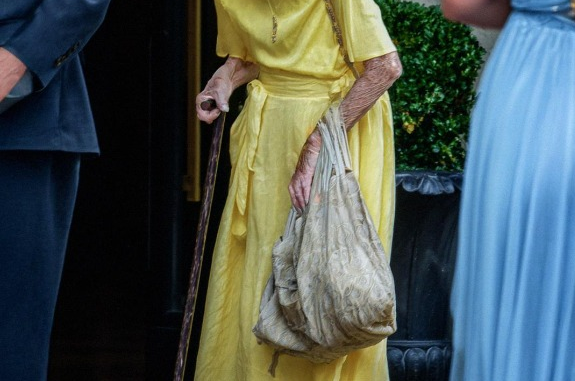
At my wedding — glitzy, extravagant, full of rich people — I reluctantly invited Grandma. She came in her old blue dress and brought a cloth bag of walnuts as a gift. Embarrassed, I rejected it.
Weeks later she died. I didn’t go to her funeral. Guilt gnawed at me. Then I was in a car crash. In hospital, I asked for that bag. Inside each walnut was a note, and one even held a $20 bill: words of love, care, and a plea for kindness.
It broke me. “I’m sorry, Grandma,” I whispered.
When I got home I cooked something simple — potatoes, eggs, butter, salt, pepper — and realized I’d lost more than a meal. I had forgotten what home felt like. I drank in the smell, the warmth, and I finally understood: simple things, done with love, can heal better than wealth ever could.