The lawyer’s office smelled of old leather and expensive cologne—where fortunes changed hands behind mahogany doors. I sat among the family, my hands folded, sunlight streaming through floor-to-ceiling windows. My grandmother, Victoria Ashford Chen, had died three weeks ago. Sharp until the end, she had built her import business from nothing in the 1960s.
“Never let anyone convince you that being kind means being weak,” she had told me.
Now, her will was being read. My mother received jade jewelry and fifty thousand dollars. My father, gratitude. My brother, twenty-five thousand and some first-edition books. Then the attorney looked at me:
“To my granddaughter Maya Chen, who was my truest companion, I leave the entirety of my remaining estate.”
Three-point-seven million in liquid assets, two million in a commercial property, plus investments and a home in Taiwan. Six million total.
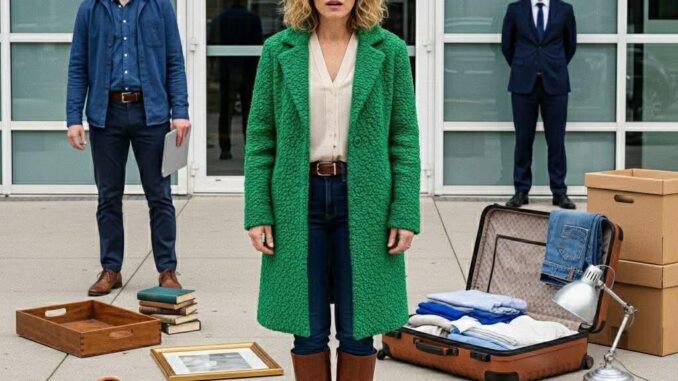
The room erupted. My mother and brother accused me of manipulation. My father said I’d destroy the family.
I opened my grandmother’s letter: she had left me everything because I had seen her as a person, not a source of money. She had documented my family’s indifference in a journal spanning five years—every missed visit, every thoughtless interaction, every request for money. I had loved her; they had neglected her.
Mr. Harrison, the lawyer, explained her precautions: cognitive evaluation confirming sound mind, journals, documentation of every interaction, and the will itself—ironclad. Even the Chinatown property she owned for thirty years had tenants she treated fairly, honoring her immigrant community rather than maximizing profit.
My family filed to contest the will, claiming undue influence. In court, their claims crumbled. The journal proved my devotion and their neglect. Judge Martinez denied the petition. The estate was legally mine.
Alone that night, I realized my grandmother had given me more than money: a choice. To accept truth over performative family loyalty, to honor authenticity over obligation.
Six months later, I stood in the Chinatown bakery, watching life unfold. I had preserved the businesses, renovated the residential units, and started a scholarship program for immigrant students. I still taught, but without debt and fear.
My family sent messages of anger and disapproval. I didn’t respond. I remembered my grandmother’s words: the strongest steel bends but doesn’t break.
I hadn’t broken. I had bent toward truth, toward care, toward building a life on my own terms. Her gift wasn’t wealth—it was permission: to value myself, to honor honesty, and to live deliberately.