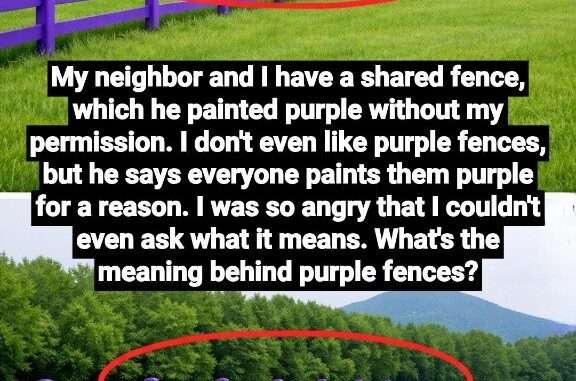
Along rural roads and wooded property lines, you may notice bold purple stripes painted on trees or fence posts. It’s not decoration—it’s a legal warning.
This practice is known as the Purple Paint Law. In states that recognize it, purple paint serves the same purpose as a “No Trespassing” sign. It clearly marks private property and warns people not to enter.
Unlike signs, paint doesn’t fade, tear, or get stolen easily. It’s inexpensive, durable, and low-maintenance. Purple was chosen because it stands out in nature and is visible even to people with red-green color blindness.
For it to count legally, the paint must follow strict rules: vertical stripes (often at least 1 inch wide and 8 inches long), placed about 3–5 feet above the ground, and spaced at regular intervals—often every 100 feet.
The law began in states like Texas and Arkansas and has since expanded to others, including Missouri, Illinois, Indiana, and North Carolina. In those states, ignoring purple markings can lead to trespassing charges.
So if you see purple paint on a tree or post, take it seriously. It’s a clear boundary—simple, durable, and legally meaningful.