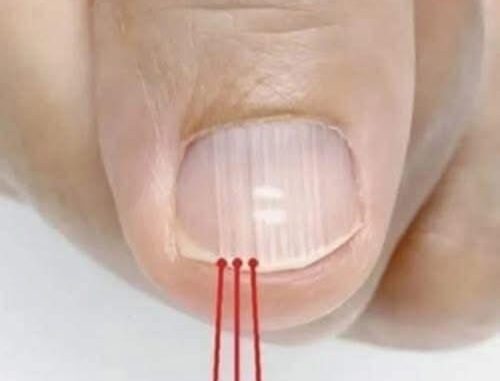
Why They Appear
The main cause is a natural decline in keratin production, which makes nails less smooth. Moisture loss also plays a role—dryness from aging, frequent hand-washing, or harsh cleaners can make ridges more visible.
Could It Be Nutritional?
Sometimes nail changes relate to low levels of:
-
Biotin (B7) – supports keratin
-
Iron – carries oxygen to cells
-
Magnesium – aids cell repair
-
Zinc – helps tissue growth
Deficiencies may cause weak, dull, or deeply ridged nails.
When to See a Doctor
Vertical ridges alone are harmless. But check with a professional if you notice:
-
Yellow, blue, or brown discoloration
-
Thickening, splitting, or crumbling
-
Swelling or tenderness
-
Sudden, dramatic texture changes
Rarely, nail changes can signal thyroid, circulation, or autoimmune issues.
Nail Care After 40
-
Moisturize hands and cuticles daily
-
Eat nutrient-rich foods
-
Wear gloves for cleaning or gardening
-
Trim gently and avoid over-buffing
-
Limit acetone removers
-
Consider supplements only with medical advice
Bottom line: Vertical ridges are usually a natural part of aging, but paying attention to changes can help you protect both your nail health and overall well-being.