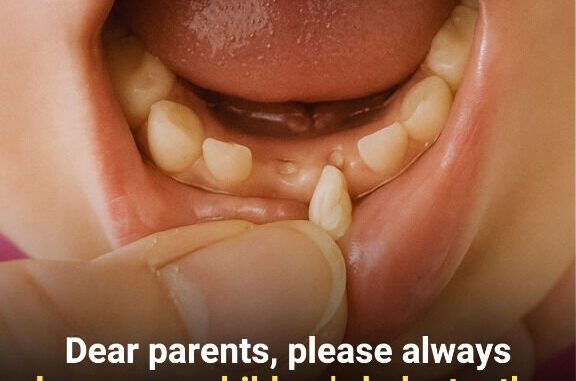
Saving baby teeth might sound like science fiction — but it’s real science. Researchers have discovered that baby teeth contain powerful stem cells that could one day help regenerate bone, nerve tissue, and even repair damaged organs. This process is called tooth banking, and some parents are already choosing to store their child’s teeth for potential future medical use.
Stem cells are known as the body’s “master cells” because they can copy themselves (self-renewal) and transform into different types of cells like muscle, bone, blood, or nerve cells. These abilities make them essential for healing and tissue repair — and a major focus in regenerative medicine research.
Inside the soft pulp of baby teeth are young, adaptable dental stem cells with promising potential. Scientists are studying how they might one day help treat injuries, heart damage, nerve disorders, diabetes, or even Parkinson’s disease — though many treatments are still in clinical research stages.
For parents, tooth banking is becoming a form of biological insurance, similar to cord blood banking. While there’s no guarantee the cells will be used, advances in stem cell research and regenerative medicine make preserving baby teeth an option worth considering.