On my thirtieth birthday, alone in my Brooklyn studio, a lawyer called with my parents’ will. My sister Savannah inherited the $750,000 Westchester mansion and most of the money. I got a decaying cabin in Alaska. My fiancé, Derek—who valued status over love—called me a loser, dropped his ring, and left.
Inside the legal envelope was a rusted key and a note from my mother: “You will know why it had to be you.”
Growing up, I was invisible. My father worshipped measurable success; my mother stayed quiet. Savannah was their star. I was the overlooked one—except to my grandfather, Elias Mercer, who spent summers with me in Alaska and taught me that what looks worthless often hides real treasure.
At the will reading, Savannah mocked my “shack in Talkeetna.” Derek had already shifted his loyalty to her.
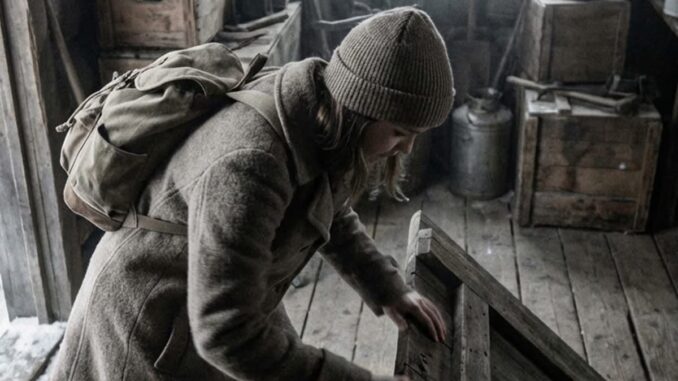
I flew to Anchorage with a one-way ticket and hiked through deep snow to the ruined cabin. It was moldy, broken, clawed by bears. I cried—until I started looking closer. A mismatched floorboard hid a cellar. Below it were crates of gold and silver—and, more importantly, the Mercer family ledgers.
They detailed timber rights, pipeline easements, and mineral leases across thousands of acres. The gold was worth millions. The lithium and rare-earth royalties were worth over eighty million.
A final letter from my mother explained everything: Savannah had sparkle, but I had endurance. The cabin wasn’t a joke—it was trust. They needed a guardian, not a spender.
I digitized the contracts, secured the assets, and told no one. When I turned my phone back on, Savannah sent photos of her mansion. Derek sent apologies.
For the first time, I didn’t care. I wasn’t the leftover. I was the one trusted with the crown jewels. I locked my phone and stepped into the cold Alaskan light, finally understanding my worth.