The 1980s were a golden era for horror, defined by experimental storytelling, practical effects, and a distinct sense of dread. Beyond blockbuster franchises, the decade nurtured cult films that captured a unique, haunting energy. Evil Town is one such film, blending the era’s bold aesthetics with primal fears.
The story centers on a seemingly idyllic town hiding a dark secret: elderly residents maintain unnatural longevity by harvesting the life force of unsuspecting young visitors. This taps into a deep generational anxiety—the elite consuming youth to prolong their own power—a theme as resonant today as it was in the 1980s.
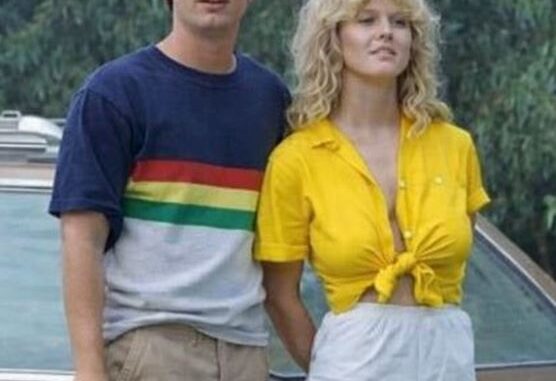
Evil Town stands out for its visual identity, from Lynda Wiesmeier’s bright red tied shirt and high-waisted shorts to the co-star’s oversized 80s sweatshirts and athletic shorts. These choices ground the characters in their era, making the ensuing horror feel immediate. Rural roads, dense forests, and the iconic brown station wagon juxtapose familiar domesticity with lurking danger, evoking the terror of a road trip gone wrong.
The film’s pacing reflects its time, bridging 70s slow-burn suspense and 80s slasher intensity. Practical effects lend tangible, visceral horror, while a synth-heavy score heightens the eerie, nostalgic atmosphere.
Today, Evil Town enjoys renewed appreciation from audiences drawn to 80s nostalgia, synthwave aesthetics, and retro horror. Its legacy lies in showing how horror can be most effective when dressed in the familiar: bright colors, iconic fashion, and everyday suburban life subverted by darkness. It remains a cult classic—a vivid, unsettling snapshot of a decade that dared to mix charm with terror.